When someone says “I’m looking for a home in Seeb”, they haven’t said much yet. Seeb is a large wilayat in Muscat Governorate, with quiet coastal neighbourhoods, busy commercial ones, residential areas that grow year after year, and a waterfront community. So the useful question is not “should I live in Seeb?” but “which part of it?”. This guide walks through its main neighbourhoods, who each one suits, and what to watch for before you decide on living in Seeb.
Where is Seeb?
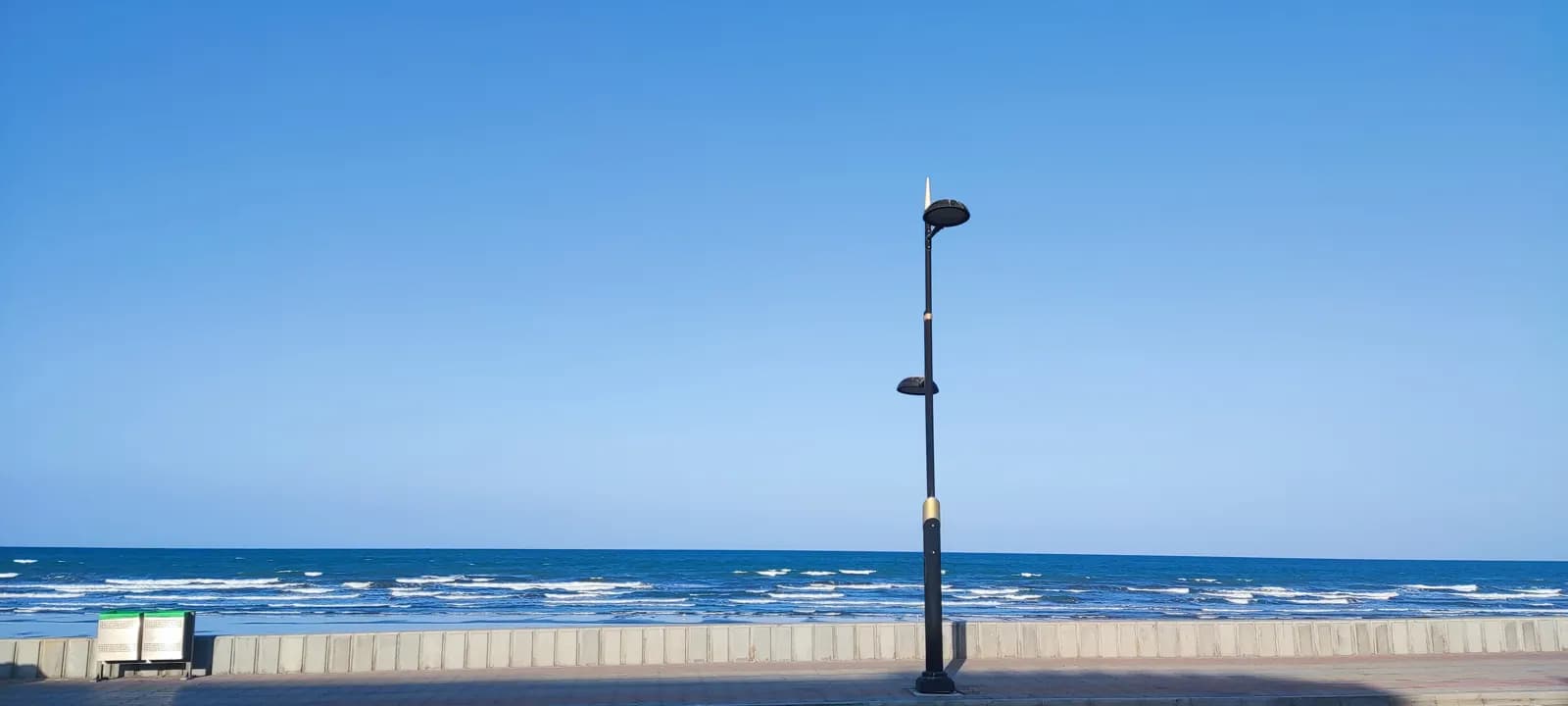
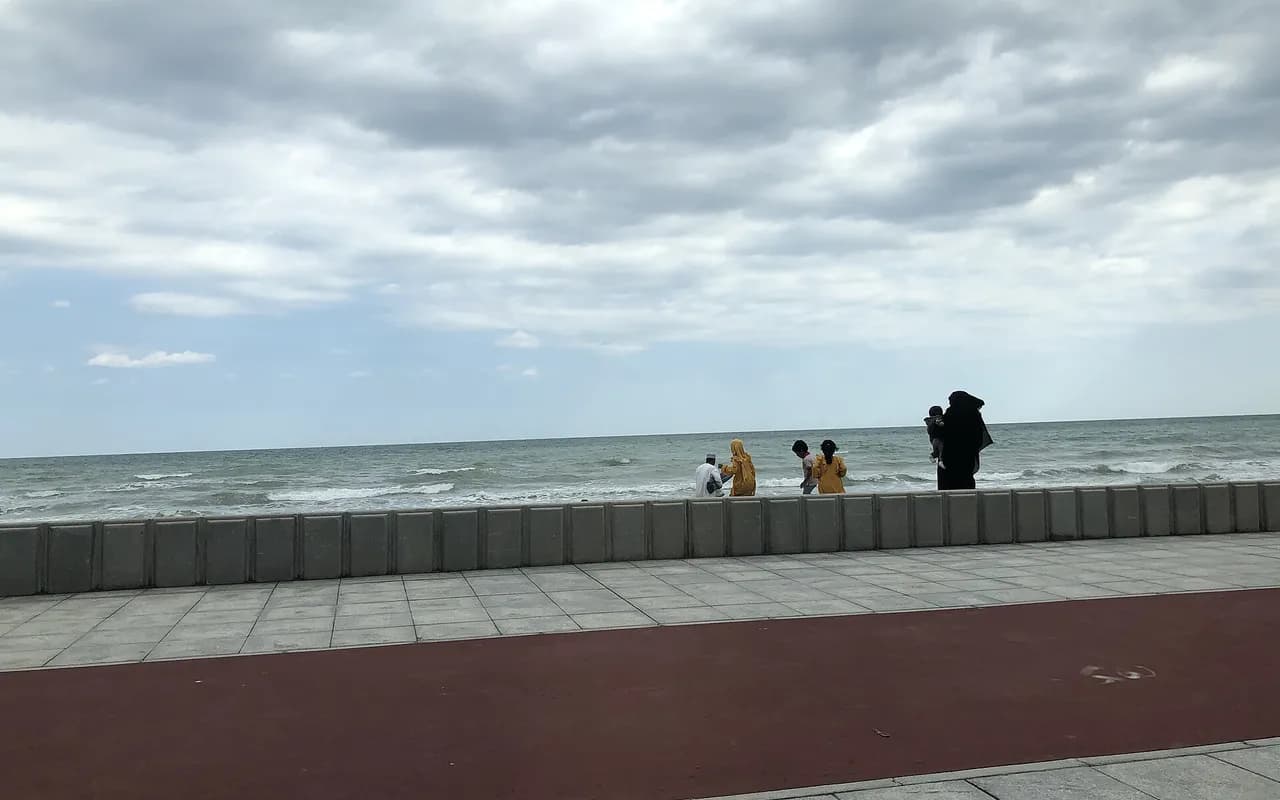
Seeb lies in the west of Muscat Governorate and stretches along a long coastline on the Sea of Oman. It is home to Muscat International Airport and to Sultan Qaboos University in Al Khoudh, and Sultan Qaboos Street links it to the centre and east of the capital.
The wilayat’s size is both its strength and its challenge. Its strength is a wide choice of property types and prices. Its challenge is that the distance between one neighbourhood and another can be large, so a home in Seeb may be very close to your work or far from it, depending on the neighbourhood you choose.
The key idea: don’t compare “Seeb” with other areas as if it were one neighbourhood. Compare the neighbourhood within it that fits your day, then compare that with similar neighbourhoods elsewhere.
Seeb’s neighbourhoods: which one suits you?
Central Seeb
The town that gives the wilayat its name is its original heart, with the traditional Seeb souq and the beach. It suits people who want an established community close to the sea more than those looking for a modern compound with shared facilities.
North and South Al Hail
Al Hail is really two areas: the north on the sea side and the south inland. That difference is what you choose on: if being near the beach matters, start with the north; if you prefer inner family streets further from coastal humidity, compare with the south.
Al Mawaleh
Al Mawaleh is for people who want daily needs a few steps away: shops, showrooms and services next to the homes. The price is more traffic on the commercial streets, while the inner streets are calmer, so see the street for yourself before you judge. It is also where people look for commercial units.
Al Mabellah
Al Mabellah is one of the wilayat's largest residential areas, with villas, houses, flats and building plots, so it suits large families, first-time buyers and people thinking of building. Its size also means one end can differ a lot from the other in access to main roads, so pin down which part you're searching before comparing prices.
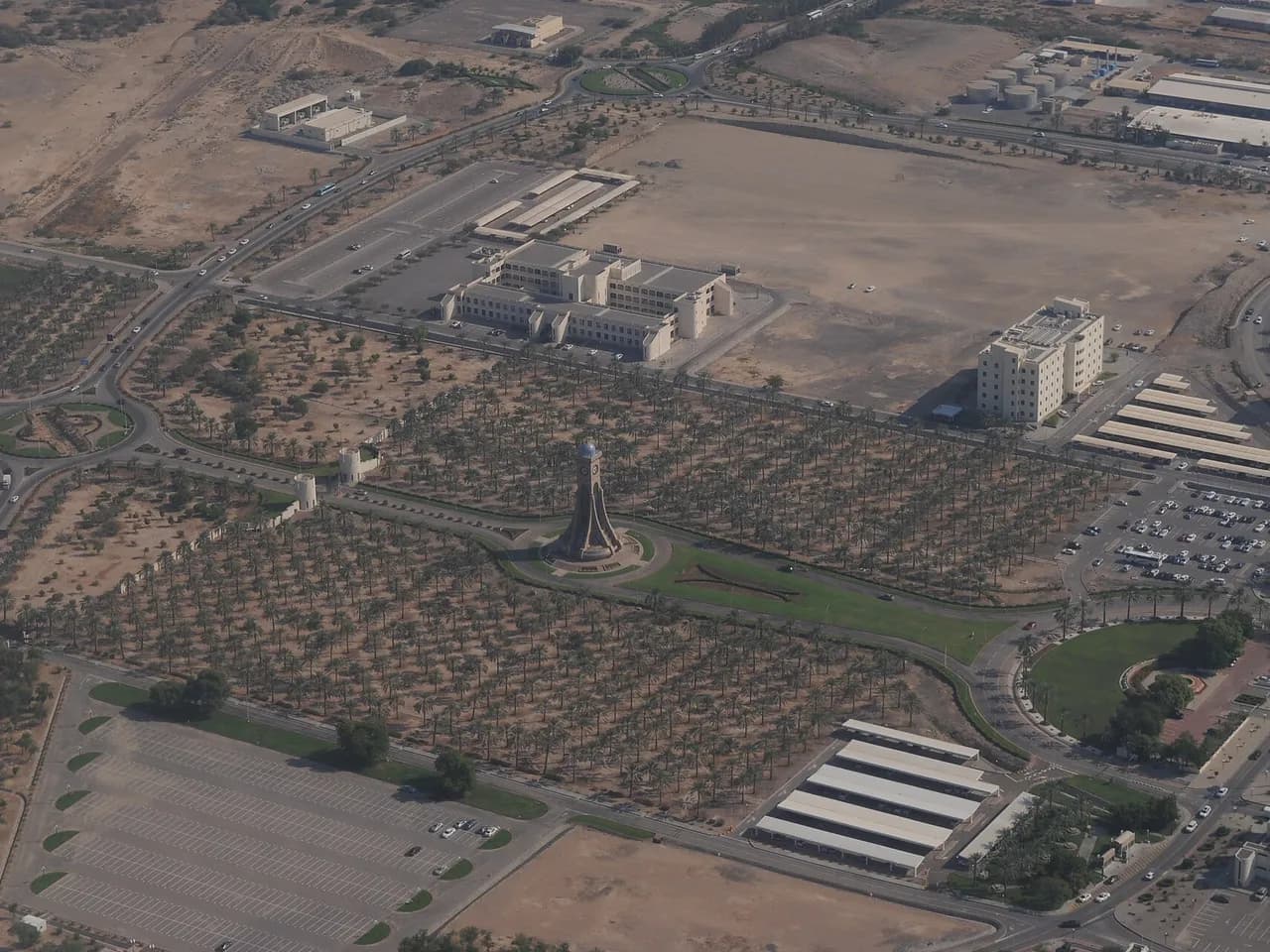
Al Khoudh
Al Khoudh is Sultan Qaboos University's neighbourhood, so living there is tied to campus life alongside its older family streets. It suits university staff, families whose children study there, and owners thinking of letting to them. Its access to the Muscat Expressway makes timing your commute along it more important than along the coastal road.
Al Mouj
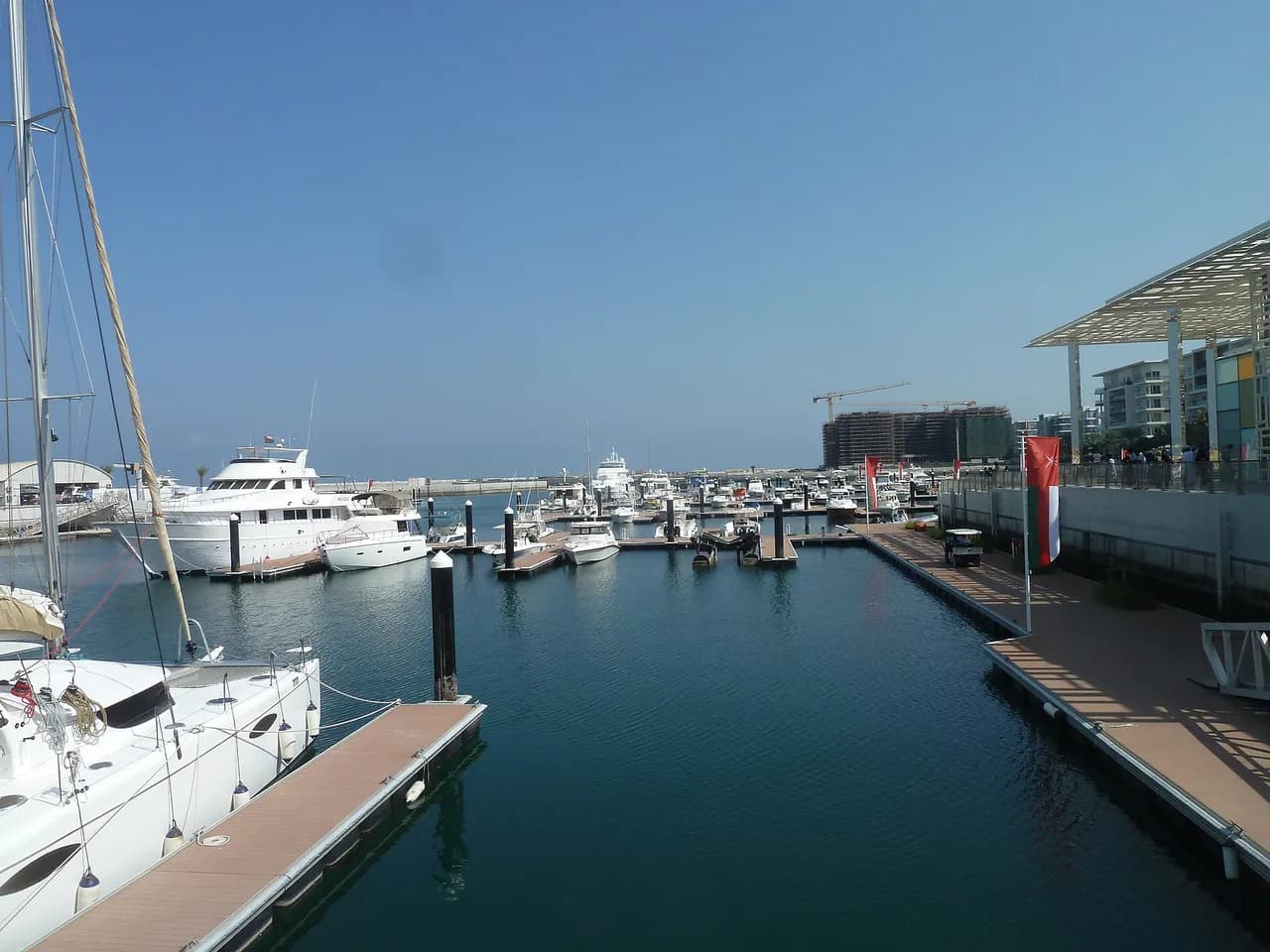
Al Mouj is a different model from the rest of the wilayat: a planned waterfront community with a marina, a promenade and a golf course. Because it is classified as an integrated tourism complex, it is open to ownership by non-Omanis under the regulations in force. Before comparing its prices with another area, ask about service charges and community rules, since they are part of the cost of living there.
Seeb’s future: Sultan Haitham City
One of the most prominent urban projects announced in the wilayat is Sultan Haitham City, a smart, sustainable city being delivered by the Ministry of Housing and Urban Planning as part of Oman Vision 2040. A project of this scale naturally draws the attention of anyone thinking of living or investing in Seeb.
But the rule here is simple: buy a property for what it is today, not for what is expected around it tomorrow. If your decision depends on an upcoming project, check its phases and timelines with official sources, and don’t rely on what an advert or a seller says.
Villa, apartment or land?
- Villas and houses: common in residential areas such as Al Hail, Al Mabellah and Al Khoudh, and suited to families who need space and privacy.
- Apartments: found in residential buildings and near commercial streets, and suited to singles, couples and anyone who wants less maintenance.
- Land: offered in areas that are still expanding, and suited to people who want to build their own home, provided they check the plot’s permitted use and what may be built on it before buying.
- Al Mouj homes: a different model inside an integrated community, with its own fees and rules, so read them before comparing the price with anything else.
Commuting: work out the journey before the rent
If you work in central or eastern Muscat, the daily commute is part of the cost of a home even if it isn't written in the contract. Before you decide, try the route from the home to your work and your children's schools at rush hour, not at the weekend. A slightly cheaper neighbourhood can cost you more time every day than it saves you in rent.
Before living in Seeb: what to watch out for
- Humidity near the sea: in coastal neighbourhoods, check walls, ceilings and fittings for any sign of damp or rust.
- Wadi channels: ask where the property sits relative to water channels, and how the street fared after heavy rain.
- Noise: a property near the airport or facing a main road may be noisier, so visit at different times of day.
- Services in new areas: in newer residential phases, check what actually exists, such as schools, shops and roads, not just what is planned.
A checklist before renting or buying
- 1Choose the neighbourhood before the home: the one within the wilayat closest to your work and your children’s schools.
- 2Decide which side of it suits you: the coast or inland, a commercial street or an inner one.
- 3Try the daily commute at rush hour.
- 4Ask where the property sits relative to wadi channels.
- 5When buying land: check its permitted use and what may be built on it.
- 6In Al Mouj: get the service charges and community rules in writing before comparing prices.
How Maarij Real Estate can help
In a wilayat the size of Seeb, the question isn't “Seeb or elsewhere?” but “which part of it?”.
At Maarij Real Estate we help you read Seeb’s neighbourhoods realistically: we ask about your work, family and budget first, then show you the available options in the neighbourhoods that suit you, and arrange viewings in person or as a video tour on WhatsApp. We also offer property valuation for those considering a purchase, and property management for owners who want their property leased and looked after.
Contact the Maarij team to find your home in SeebThis content is general guidance, not legal or financial advice; always confirm current requirements and fees with the competent authorities.
Frequently asked questions
Where is the wilayat of Seeb?
Seeb lies in the west of Muscat Governorate on the Sea of Oman. It is home to Muscat International Airport and to Sultan Qaboos University in Al Khoudh, and Sultan Qaboos Street links it to central Muscat.
What should I check when living near the sea in Seeb?
Check walls, ceilings and fittings for damp or rust, and ask where the property sits relative to wadi channels and how the street fared after heavy rain.
Can non-Omanis own property in Seeb?
The best-known option for non-Omanis in Seeb is integrated tourism complexes, Al Mouj above all, along with other projects designated by the authorities, such as some future-city developments. Check that the specific project and unit are eligible before completing a purchase.
Which Seeb neighbourhoods suit families?
Residential areas such as Al Hail, Al Mabellah and Al Khoudh are chosen by many families for their quiet inner streets and range of villas and houses. Most important is choosing the neighbourhood closest to your work and your children’s schools.
Is Seeb far from central Muscat?
It depends on the neighbourhood, because the wilayat is large. Try the journey from the neighbourhood you are considering to your work at rush hour before you decide.
Need help with a property decision?
Talk to the Maarij team now — we reply on WhatsApp within minutes during working hours.