“Al Hail” is one of the names people search most when looking for a home in Muscat. But anyone house-hunting there soon finds that Al Hail is two neighbourhoods, not one: North Al Hail and South Al Hail. They share a name and a wilayat, they are split by a single road, and the difference in daily life is bigger than the name suggests.
This article compares the two: where each one is, who it suits, and what to check before you rent or buy in either.
Where is Al Hail?
Al Hail is in the wilayat of Seeb, Muscat Governorate, west of central districts such as Al Khuwair and Al Azaiba and not far from Muscat International Airport. Sultan Qaboos Street splits it in two: North Al Hail lies between the road and the Sea of Oman, and South Al Hail lies south of the road, inland.
So the practical question is not “Is Al Hail right for me?” but “Which side of the road fits my day?” The two sides are close on the map, but getting from one to the other means going through the main road’s interchanges, which can take longer than you expect at peak times.
In one line: North Al Hail is for people who want the sea close by, South Al Hail is for people who want inland family streets and easy access to roads heading inland. Both are in Seeb.
North Al Hail: the sea within easy reach
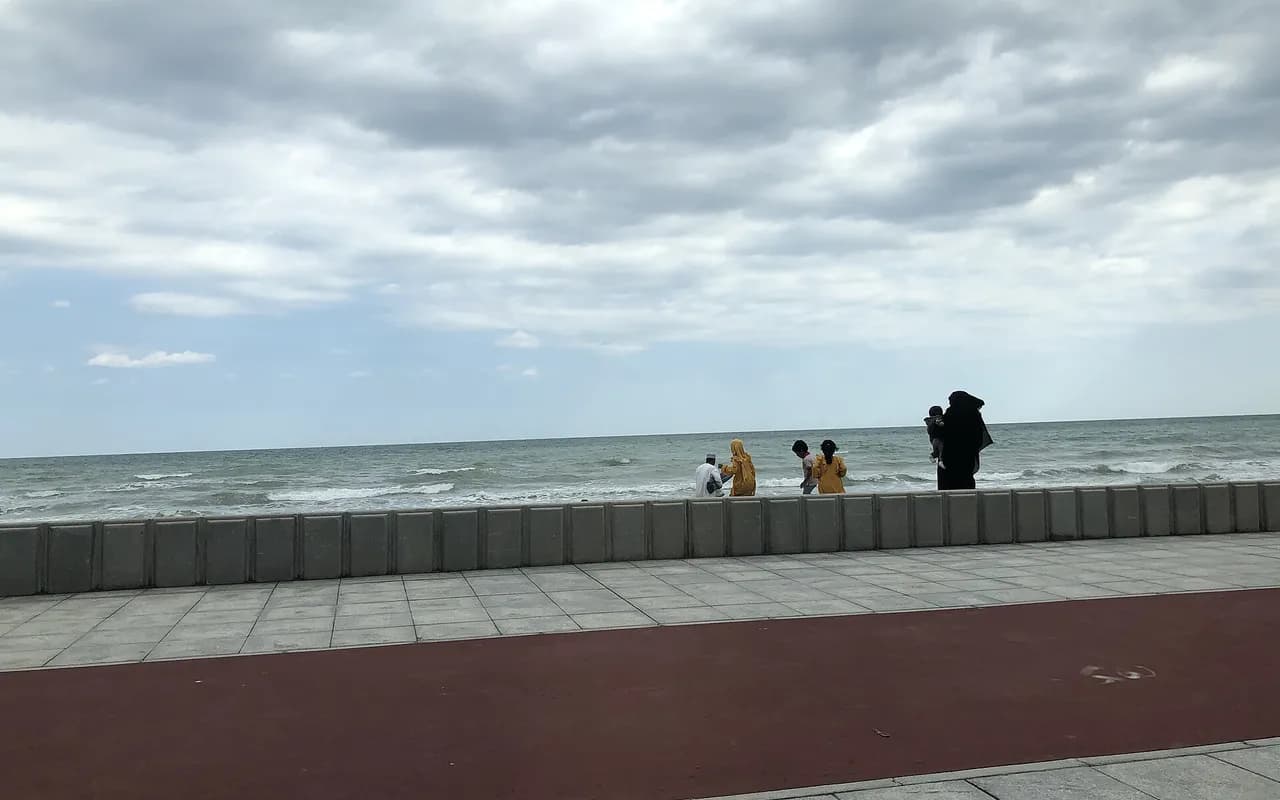
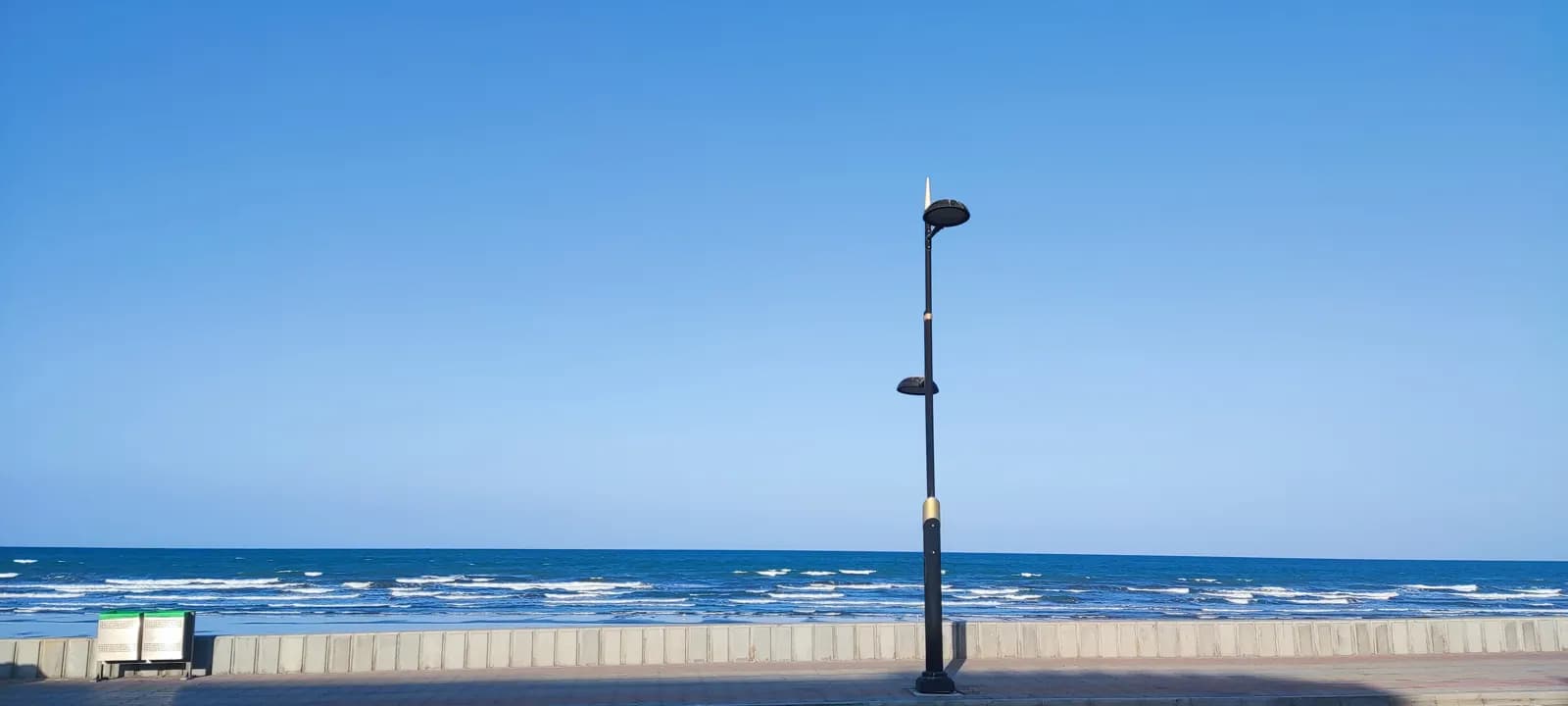
North Al Hail runs down to the Sea of Oman coast, and for many people its name is tied to Al Hail beach, its walkway and evening strolls. It is largely residential, with a mix of villas, houses and apartment buildings, and shops and everyday services spread across the neighbourhood.
North Al Hail suits people who make the sea part of their day: a family that wants a nearby outing for the children, or someone who walks or exercises on the beach. Being close to Al Mouj and the airport road also makes it a convenient choice for frequent travellers and for people who work on that side of Seeb.
South Al Hail: inland family streets
South Al Hail lies south of Sultan Qaboos Street, a little way back from the coast. It has a family neighbourhood feel, with inland streets lined with villas and detached houses, and essential services close by.
South Al Hail suits families who want more space and quieter streets, and people whose work or study is inland, towards Al Mawaleh, Al Khoudh and Sultan Qaboos University. It also gives easy access to the Muscat Expressway for anyone who moves between the far ends of the capital.
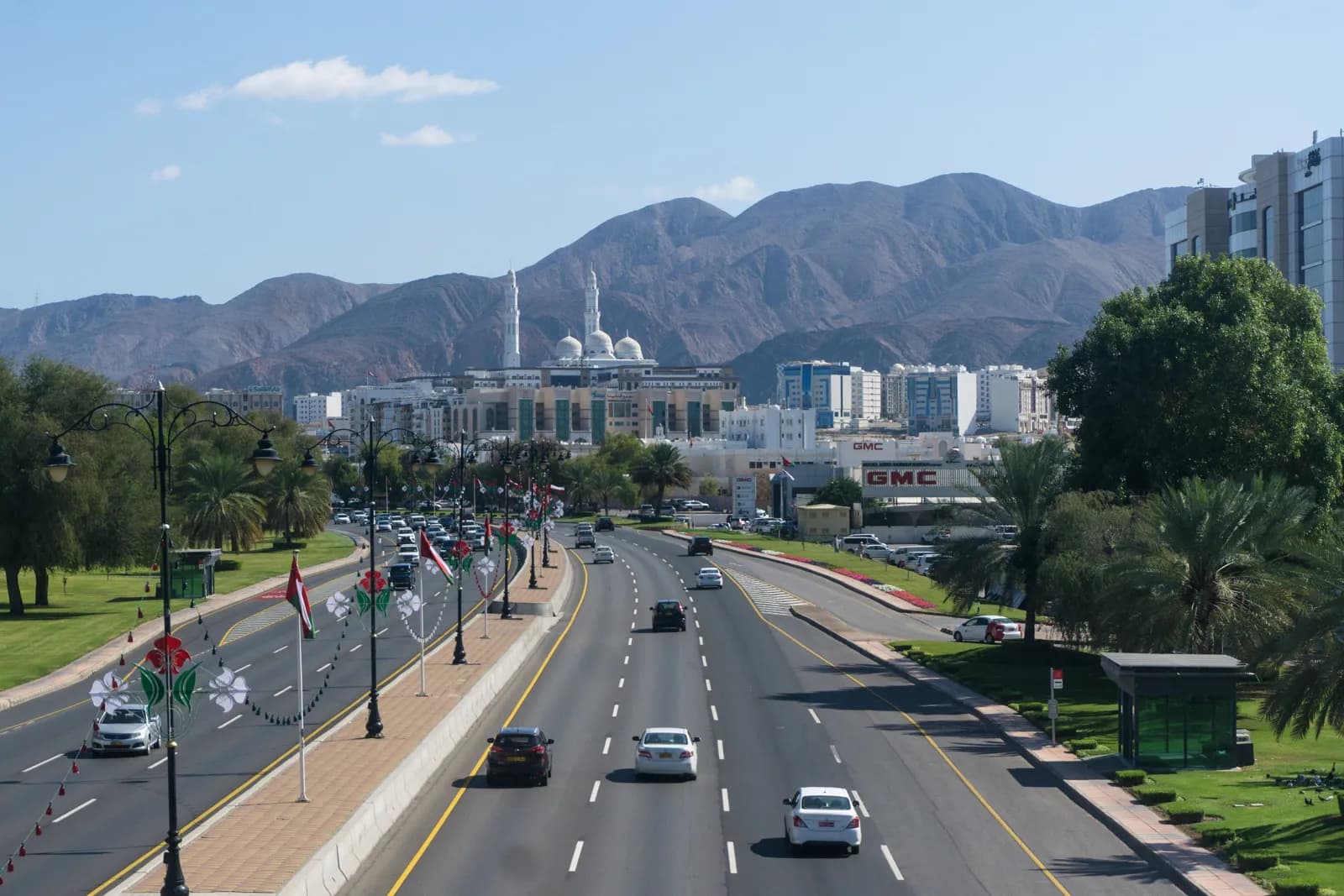
A quick comparison
- Location: North Al Hail lies between Sultan Qaboos Street and the sea; South Al Hail lies south of the road, inland.
- Character: North Al Hail is a coastal residential area with villas and apartment buildings; South Al Hail is family neighbourhoods dominated by villas and detached houses.
- Housing: flats are easier to find in North Al Hail; villas and detached houses are on both sides and more common in the south.
- Getting around: the north is closer to the beach and the airport road; the south is closer to roads heading inland and the Muscat Expressway.
- Price: rents often rise the closer a home is to the sea, but the gap between two homes in the same neighbourhood can be bigger than the gap between the two neighbourhoods.
Villa or flat?
- Flat: suits individuals, small families and anyone who wants less upkeep. Start with the apartment buildings in North Al Hail.
- Villa or detached house: suits families who need more rooms and a private yard. There are options on both sides, and South Al Hail usually offers more choice.
- Land: if you plan to build, check the plot’s permitted use, its services and where it sits relative to wadi channels before buying.
The daily commute
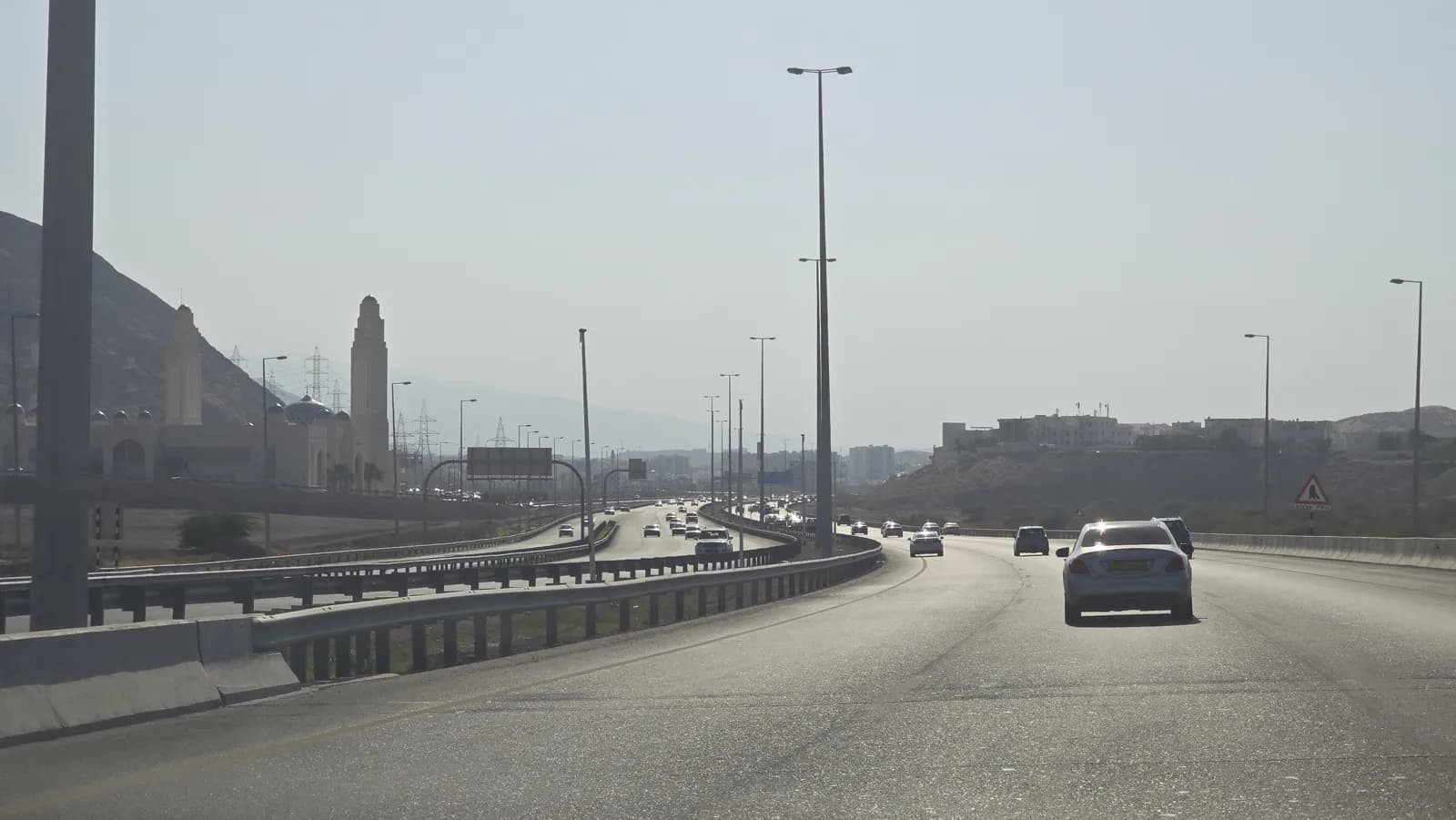
Al Hail’s advantage is that it sits roughly in the middle of Seeb: close to the airport and Al Mouj on one side, and to Al Mawaleh and Al Khoudh on the other. But the Sultan Qaboos Street interchanges get congested at peak hours, and crossing from one side to the other can be slower than the distance suggests.
Before you decide, drive your real route from home to work and school in the morning and the afternoon. Pay attention to the exit you will use every day; two homes in the same neighbourhood can differ a lot in how easily they reach the main road.
What to watch for in Al Hail
- Humidity and sea air in the north: ask about the condition of air-conditioning units and metal doors and windows, as coastal air speeds up corrosion.
- Damp in the walls: in homes near the coast, check the base of the walls and the floors for signs of damp or peeling paint.
- Wadi channels: Seeb has wadis that run towards the sea, so ask where rainwater flows around the house or plot on either side.
- Noise: homes facing Sultan Qaboos Street or other main roads are easier to reach but louder.
- Parking: in apartment buildings, make sure the flat has its own parking space.
Checklist before renting or buying
- 1Pick the side first: the sea in the north or inland streets in the south, based on your work and your children’s schools.
- 2Drive the daily commute at peak time, and note how you will cross Sultan Qaboos Street.
- 3Visit the neighbourhood in the evening to judge traffic and noise.
- 4Check for damp and inspect the air-conditioning units, especially near the sea.
- 5Ask where rainwater flows around the property.
- 6Read the lease clause by clause before signing, and make sure it is registered with Muscat Municipality.
How can Maarij help?
In Al Hail, the road that divides the two neighbourhoods also shapes your day. Choose your side before you choose your home.
At Maarij we start by asking about your work, your family and your budget, then show you what is available in North or South Al Hail, whichever suits you, and arrange viewings in person or by WhatsApp video tour. We also offer property valuation for buyers, and property management for owners who want their Al Hail property let and looked after.
Contact the Maarij team to find your home in Al HailThis content is general guidance, not legal or financial advice; always confirm current requirements and fees with the competent authorities.
Frequently asked questions
What is the difference between North and South Al Hail?
Sultan Qaboos Street separates them: North Al Hail lies between the road and the coast, and South Al Hail lies south of the road, inland. The north is closer to the beach; the south is family neighbourhoods dominated by villas and houses.
Where is Al Hail?
Al Hail is in the wilayat of Seeb, Muscat Governorate, not far from Muscat International Airport. Sultan Qaboos Street divides it into North Al Hail and South Al Hail.
Which is better for families, North or South Al Hail?
Both suit families. Many choose South Al Hail for its quiet inland streets and villas, while others choose the north to be near the sea. What matters most is the distance to work and schools.
Are flats available in Al Hail?
Yes. Flats are easier to find in the apartment buildings of North Al Hail, while villas and detached houses dominate South Al Hail.
Is North Al Hail on the sea?
Yes. North Al Hail runs down to the Sea of Oman coast, and Al Hail beach is popular with residents for walks and outings.
Need help with a property decision?
Talk to the Maarij team now — we reply on WhatsApp within minutes during working hours.