When a family looks for a home in Muscat, attention usually goes to the house itself: the number of rooms, the size, the finishes. Experience says the neighbourhood often matters more. A house can be renovated; its location stays the same. The neighbourhood decides how long your drive to work takes each morning, which school your children attend, who your neighbours are, which mosque is nearby and where the family spends its evenings.
Muscat stretches along a long strip between the sea and the mountains. Its neighbourhoods range from established areas close to business centres, to newer districts expanding west towards Seeb, to integrated communities with a character of their own. So there is no single “best” neighbourhood, only the one that suits your family. This guide gives you the questions that will help you find it.
Start from your ordinary day, not from the listing
Before browsing properties, sketch your family’s typical day: where does everyone work, where do the children study, and when do you leave and come home? This simple map does half the work for you. It rules out attractive neighbourhoods that do not fit your rhythm and brings in others you may not have considered.
A golden rule: the right neighbourhood serves your ordinary day, not your weekend. The distance you travel twice a day matters more than a view you enjoy once a week.
Commute and traffic
Sultan Qaboos Street, together with the Muscat Expressway, forms the backbone of movement in the capital, and these routes get noticeably busy at morning and evening peaks. If you work in Al Khuwair or Qurum, for example, living nearby can save you a lot of time every day, while living further west usually means a longer drive on a normal working day.
Do not rely on distance on a map. Drive the route yourself at the actual rush hour before deciding. Two neighbourhoods the same distance away can differ a great deal in travel time depending on entrances, exits and junctions.
Schools and everyday services
For families with school-age children, the school is often the deciding factor. Find the schools that suit your children by curriculum, language and stage first, then look for a neighbourhood close to them, not the other way round. The daily school run affects the children’s comfort and the whole family’s time.
After schools, look at the services the family uses regularly:
- A nearby mosque within easy walking distance.
- Health centres and hospitals, and how quickly you can reach them in an emergency.
- Grocery shops, markets and shopping centres for daily needs.
- Parks, open spaces and play areas for children.
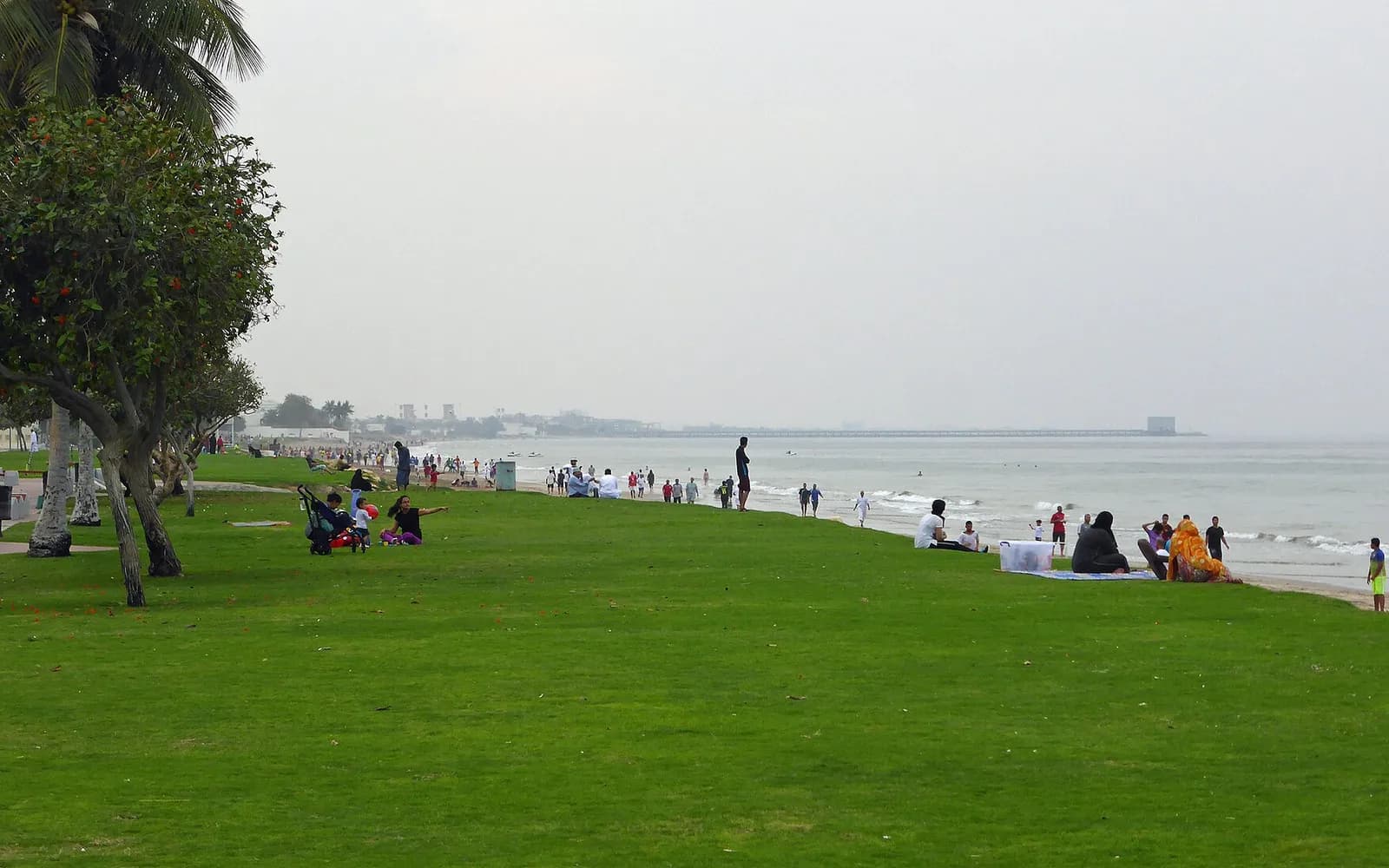
- Access to the beach or a walkway if the family enjoys being outdoors.
Residential character: quiet villas or apartments close to everything?
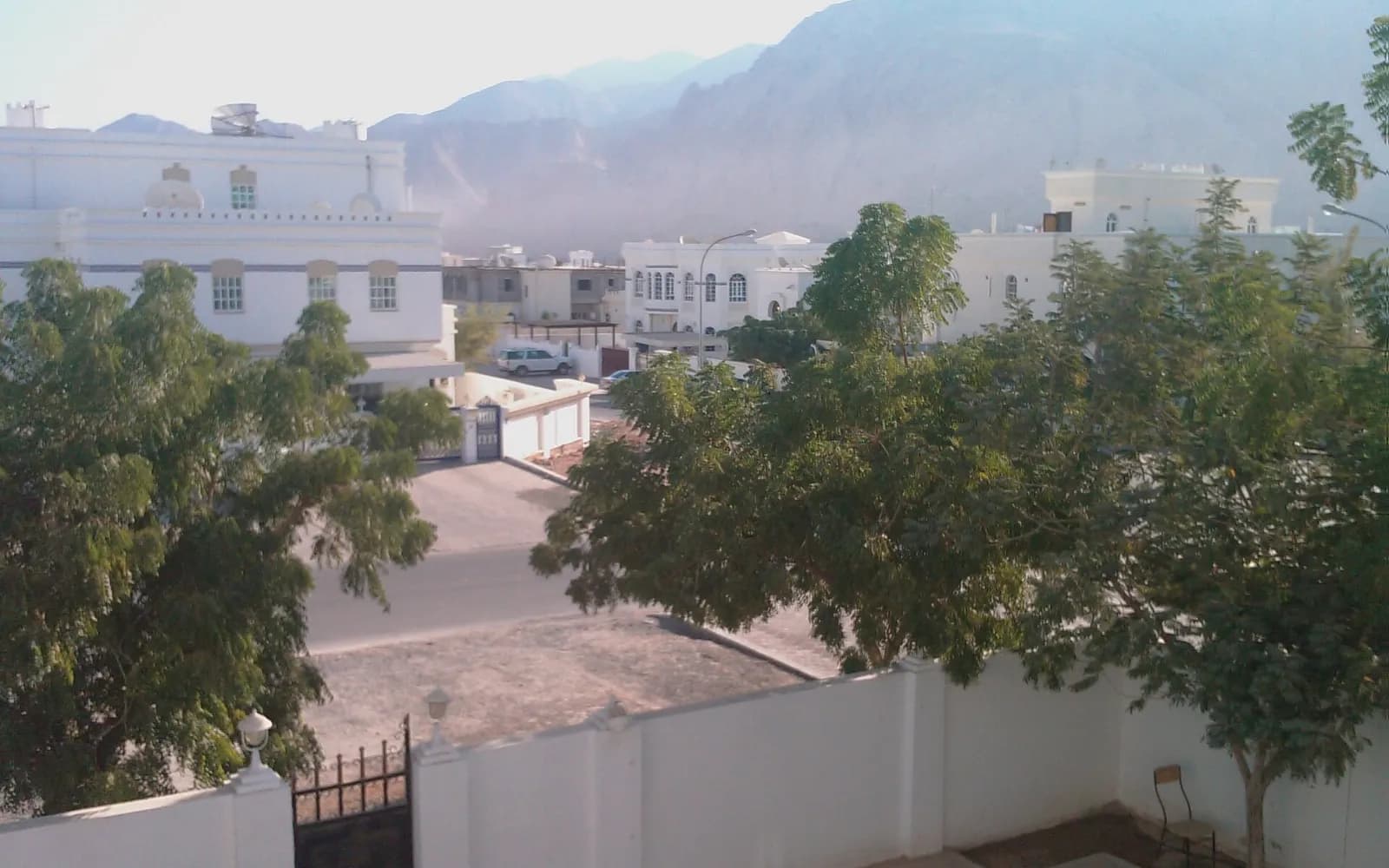
Muscat’s neighbourhoods differ clearly in character. Some are dominated by villas, independent houses and quiet streets, such as parts of Al Azaiba and Qurum, and suit families looking for space and privacy. Others have more apartments and multi-storey buildings, such as parts of Al Khuwair and Al Ghubrah North, and suit those who value being close to work and services over extra space.
A third option is integrated communities such as Al Mouj, which bring housing, services, leisure facilities and a waterfront together in one place. Ownership rules in such communities may differ from elsewhere, so check the requirements before committing.
A look at some Muscat neighbourhoods
Here are general outlines to help you start comparing. Bear in mind that every neighbourhood contains streets and compounds that differ from one another, and no description replaces a visit:
- Qurum: a central location near business centres, services and the beach, with a mix of villas and apartments.
- Al Khuwair: a lively area close to many government bodies and offices, with plenty of apartment living.
- Al Azaiba and Al Ghubrah North: midway between the east and west of the capital, close to the airport and the sea.
- Al Mawaleh, Al Hail North and Al Maabilah: large areas in Seeb seeing noticeable urban growth, attracting many families looking for more space.
- Seeb: a wilayat with a clear family and community feel, combining older and newer districts by the sea.
- Bausher and Al Ansab: close to the centre of the capital, with a mix of family housing and newer developments.
- Al Amerat: set behind the mountain range to the south, known for its calm and growing residential areas, though the drive to some workplaces is longer.
Think about the future, not only today
Families change: children grow and move between school stages, workplaces change, and the home may need an extra room. Ask yourself whether this neighbourhood will still suit you in five years. Look too at the roads, services and projects planned for the area, as they shape quality of life and the property’s value later. The Ministry of Housing and Urban Planning is the place to check approved land uses around a property and announced plans.
Practical steps before you decide
- ١Write down and rank your family’s priorities: work, school, space, budget, quiet.
- ٢Shortlist only two or three neighbourhoods for serious comparison instead of spreading yourself thin.
- ٣Visit each one at different times: a weekday morning, an evening and a weekend.
- ٤Drive to work and school at the real rush hour.
- ٥Talk to some residents if you can, and ask about services, noise and parking.
- ٦Compare similar properties in the same neighbourhood by size, age and condition.
- ٧If you are buying, get an independent property valuation before negotiating, and verify the title deed with the competent authorities.
Buy or rent first?
If your family is new to Muscat, or you are still torn between two neighbourhoods, renting for an initial period can be a wise choice that lets you live the area before committing to buy. If you know the city well and your needs are clear, buying in the right neighbourhood is an investment in your family’s long-term stability.
A house you love in a neighbourhood that does not fit your day will wear you down; an ordinary house in the right neighbourhood can become your family’s favourite place.
How Maarij Real Estate can help
At Maarij Real Estate we start from your family’s needs, not from a list of properties: we listen to your priorities, suggest neighbourhoods that match them, show you the available options and provide a property valuation so you know the real value before any decision. If you are an owner, we can help you lease and manage your property.
Tell us about your family’s needs and let us help you choose the right neighbourhoodThis content is general guidance, not legal or financial advice; always confirm current requirements and fees with the competent authorities.
Frequently asked questions
What is the most important factor when choosing a family neighbourhood in Muscat?
No single factor fits everyone, but closeness to work and schools usually has the biggest effect on daily life, followed by available services and the neighbourhood’s residential character.
Are the newer neighbourhoods in Seeb suitable for families?
Many families choose areas such as Al Mawaleh, Al Hail North and Al Maabilah for their space and ongoing growth, but this should be weighed against the distance to work and peak-hour traffic.
Should I rent first or buy straight away?
If you do not know the city well or are torn between two neighbourhoods, renting for a first period gives you real experience of the area. If your needs are clear, buying after an independent valuation is a more settled decision.
Where can I check approved plans and land uses around a property?
The competent authority is the Ministry of Housing and Urban Planning. It is advisable to check with them before buying, especially if there is vacant land near the property.
Need help with a property decision?
Talk to the Maarij team now — we reply on WhatsApp within minutes during working hours.