Buying your first home is one of the best moments in a family’s life, and one of the easiest to get wrong. A first-time buyer has nothing to compare against, and in a few weeks has to deal with a bank, a ministry, a seller, an agent and a contract, each speaking its own language. So the same mistakes come up again and again, not because buyers are careless, but because nobody warned them in time.
This guide gathers the most common mistakes made by first-time buyers in Muscat, whether an Omani family or a resident expat, and how to avoid each one. Rules and fees are updated from time to time, so we cite the source of every figure; always confirm the current requirements with the competent authorities before you commit.
The key idea: most costly mistakes don’t happen on signing day. They happen weeks earlier, when the budget is set, when the deposit is paid, and when the inspection is skipped because the house “looks perfect”.
Mistake 1: budgeting for the price alone
Many buyers set their budget on the asking price and then find thousands of rials in extra costs. The first is the sale registration fee at the Ministry of Housing and Urban Planning: the fee schedule issued by Ministerial Decision 570/2025 sets the fee for registering a sale from a third party at 3% of the property’s value. On a home priced at OMR 120,000, that is about OMR 3,600 in registration fees alone. Some cases are treated differently, such as sales between first-degree relatives, Islamic finance and beneficiaries of housing support programmes, so ask the Ministry or your lender about your own case.
On top of official fees, allow for:
- The agent’s commission, if there is one. Agree it in writing before viewings, not after.
- Finance, valuation and insurance fees charged by the bank.
- First repairs: paint, AC servicing, replacing fittings or doors.
- Furniture, appliances and curtains, a cost many first-time buyers underestimate.
- Moving, transferring utilities into your name, and service charges if the home is in a compound.
The practical rule is to keep a cash cushion above the price and the down payment, and not to spend your emergency savings on the purchase. A home bought with your last rial becomes a worry the first time something big breaks.
Mistake 2: house-hunting before you know what the bank will lend
Few things are more frustrating than finding the right home, agreeing a price, and then learning the bank won’t lend what you assumed. Housing finance has ceilings set by the Central Bank of Oman, and each bank adds its own policy on top.
Under the Central Bank of Oman’s master circular on personal loans issued in February 2025, a housing loan may not exceed 90% of the property’s value; your total monthly repayments may not exceed 60% of your net salary if it is up to OMR 3,500; and the term may not run beyond 25 years or the borrower’s 70th birthday, whichever comes first. That ratio counts all your debts, including credit cards and overdrafts, not just the new loan.
Note: these are ceilings, not promises. A bank may lend less, and terms for non-Omanis vary with each bank’s policy. A repayment at the ceiling may be acceptable to the bank and still be a strain on your family.
The fix is to get a written approval in principle from one or more banks before you start viewing seriously, and to compare the total cost over the whole term, not just the monthly instalment. If you are an Omani citizen, ask about Oman Housing Bank’s Iskan programme, which channels housing finance to citizens on the waiting lists through participating banks; applicants must be married and have a stable monthly income.
Mistake 3: taking the seller’s word on the paperwork
The title deed is the most important paper in the deal, yet some buyers pay a deposit before they have seen it. Ask for a recent copy, and check that the owner’s name matches the seller’s ID or power of attorney, that the plot number and area are right, and that there is no mortgage or other restriction still outstanding.
Look too at the land use recorded on the deed: a plot classed as residential differs from residential-commercial in what may be built and in who your neighbours will be. Compare the krooki with what you see on the ground, and ask for the building permit and completion certificate, and about anything added later: an annexe, a rooftop room or a car shade. An unlicensed addition can hold up registration or finance, and after the sale it becomes your problem.
The documents to ask for before you buyMistake 4: buying off-plan without checking the developer
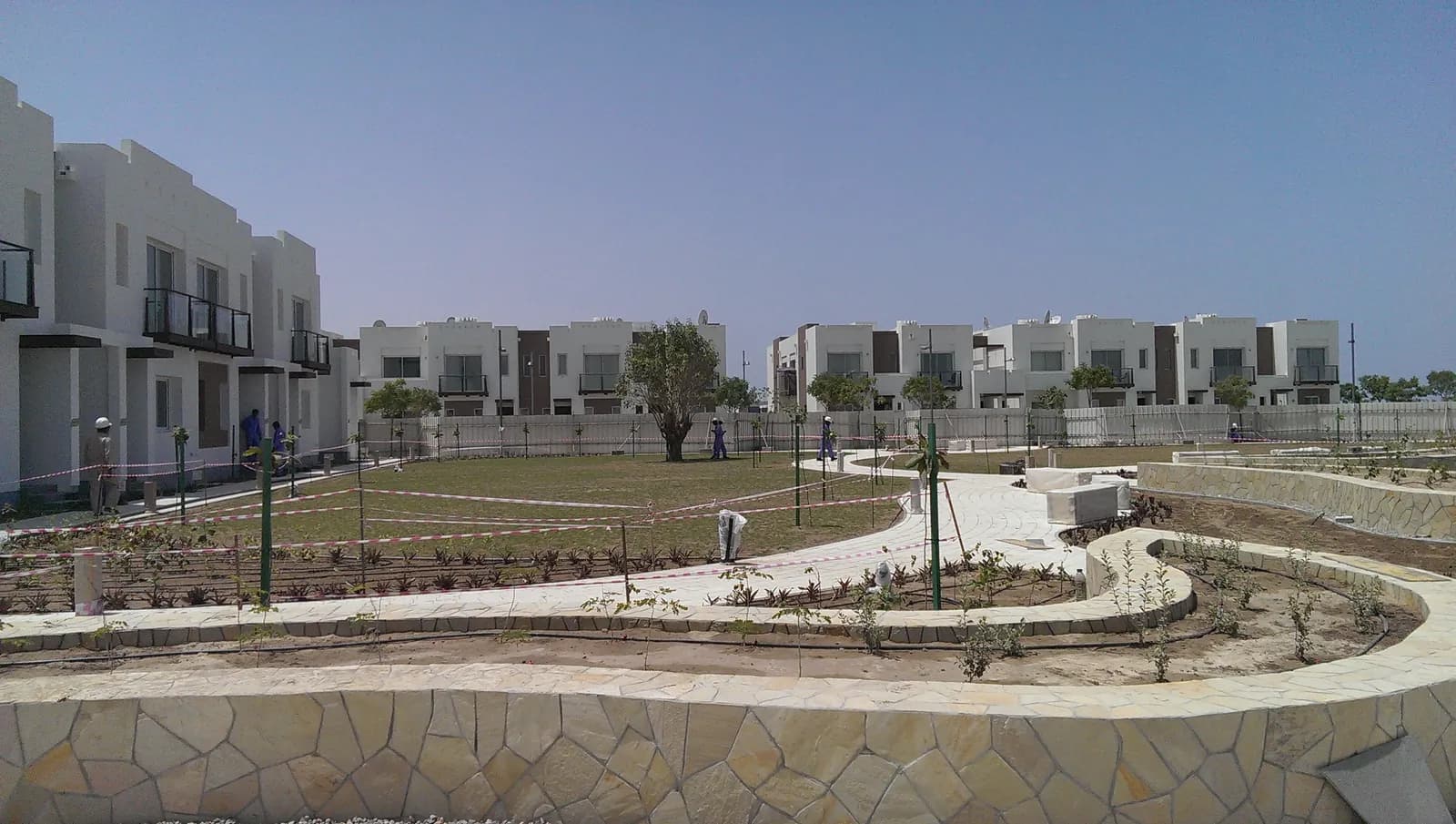
Buying off-plan can mean a lower price and an easier payment schedule, but you are paying for a home that doesn’t exist yet. The Real Estate Regulation Law issued by Royal Decree 79/2025 governs these sales: the developer and the project must both be licensed by the Ministry of Housing and Urban Planning; the developer must open an escrow account in the project’s name at a licensed bank, into which buyers pay their instalments; and any contract that transfers a unit before completion is void unless it uses the Ministry-approved off-plan sale contract.
- Check the developer’s licence and the project’s own licence, not just the brand name.
- Pay into the project’s escrow account, never into a personal account or the company’s general account.
- Read the payment schedule and handover date, and what happens if the developer is late.
- Get the finishing specification in writing; marketing images are not part of the contract.
Mistake 5: skipping the inspection
A freshly painted house can look perfect at a viewing, but paint hides more than it shows, and Oman’s heat, and the humidity along the coast, bring building faults to the surface over time. A resale home deserves an inspection by an engineer or a trusted technician before you sign, and the findings belong in the price negotiation.
- Damp and leaks: stains on ceilings and low on walls, bubbling paint, and around bathrooms.
- Cracks: tell hairline plaster cracks from diagonal or widening cracks in walls and columns.
- Air conditioning: the age and condition of the units, and whether upstairs rooms cool properly.
- Water tank and pump: cleanliness, leaks, and water pressure on upper floors.
- Roof and insulation: standing water and the state of the insulation layer, which affects heat indoors.
- Electrics and plumbing: the distribution board and wiring, and drainage in bathrooms and kitchen.
Mistake 6: choosing the house before the location
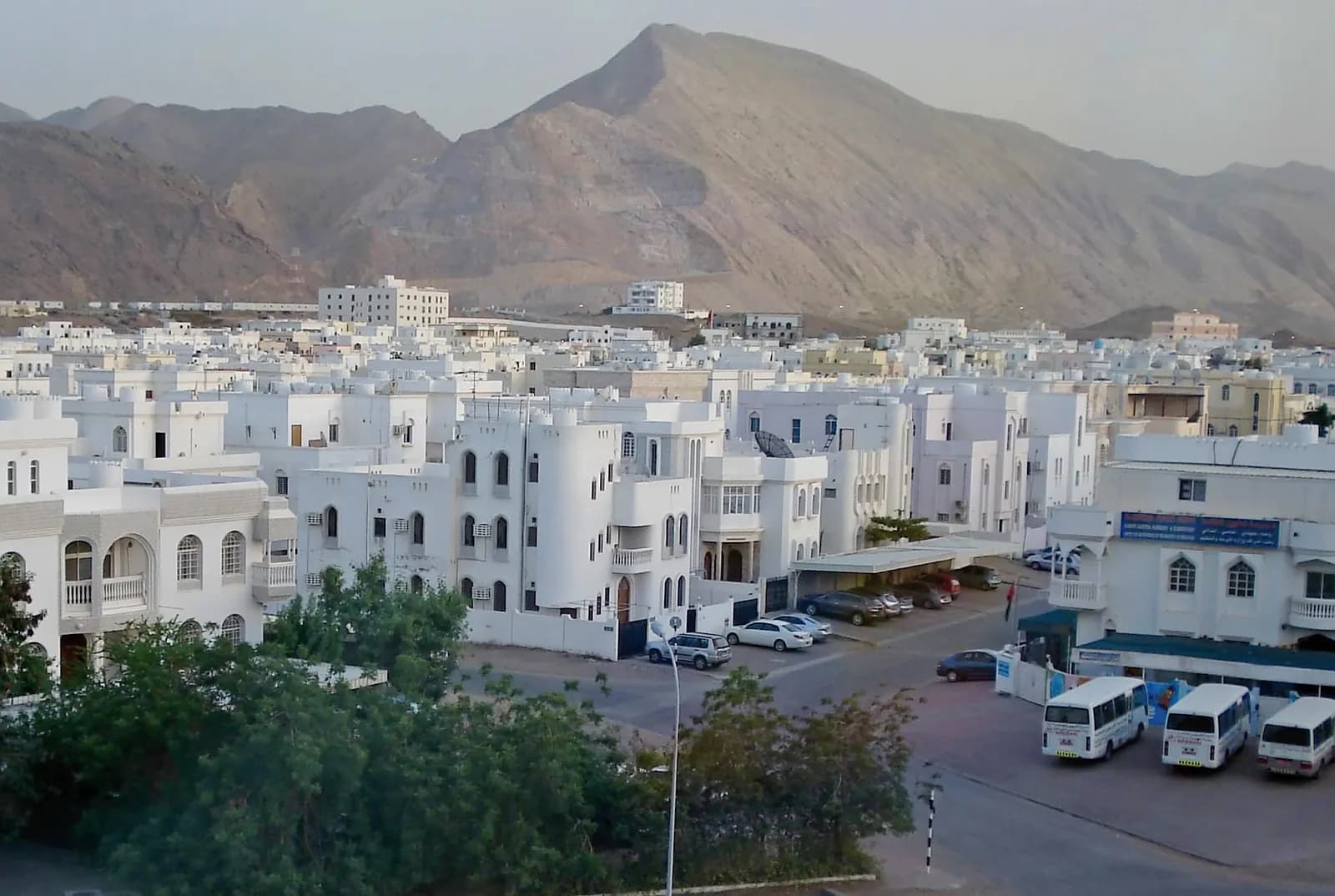
You can redo a kitchen or add a room, but you can’t move the house. Muscat is a long city, and the difference between two districts can mean an extra half hour every morning. So start from your ordinary day: where you work, where the children go to school, where the mosque and daily services are. Then look for the house within the districts that serve that day.
Drive the real commute at peak time, not at midday, and visit the district in the evening to judge noise, traffic and parking. Ask where rainwater and wadi channels run around the house, especially near the mountains, and whether any planned road or project nearby could change the character of the area.
Mistake 7: rushing under pressure
“Another buyer is paying tomorrow” is something many buyers hear, and sometimes it is true. But a one-day decision on the largest sum of your life deserves a pause. Don’t pay a deposit until you have seen the title deed and have finance approval in principle, and write on the deposit receipt how much it is and what happens to it if finance falls through or a problem turns up in the papers.
Work with a licensed agent. The Real Estate Regulation Law requires real estate brokers to be licensed by the Ministry of Housing and Urban Planning, which keeps a register of licensed brokers. A licensed agent is someone who can be held to account if things go wrong.
Mistake 8: signing the sale contract without reading it
If the parties disagree, the contract is what counts, not what was said at the viewing. Read it clause by clause, ideally with a legal adviser if the deal is complex or off-plan. Make sure it states clearly:
- 1The full price and how and when it is paid.
- 2Who pays the registration fee and the commission.
- 3The handover date and the condition of the home, and what is included: ACs, kitchen, appliances.
- 4Settlement of electricity and water bills and any other dues before handover.
- 5What happens if either side is late or withdraws, and what is refundable.
Mistake 9 for expats: assuming you can buy anywhere
If you are not Omani, confirm your eligibility before you start looking. The Ministry of Housing and Urban Planning has made clear that ownership by non-Omanis remains limited to areas designated by law, such as Integrated Tourism Complexes, some future cities and integrated residential neighbourhoods, and that recent changes to residence rules did not widen ownership rights. GCC citizens have their own rules. Any offer of a home outside these areas in an expat’s name deserves a hard look before you pay anything.
Foreign ownership in Oman: the rules and the areasChecklist before you sign
- 1Work out the full budget: price, down payment, registration fee, commission, repairs, furniture and an emergency cushion.
- 2Get written finance approval in principle before serious viewings.
- 3See a recent title deed and check the name, area, land use and that it is free of mortgages.
- 4Compare the krooki and permit with what is on the ground, and ask about any additions.
- 5If buying off-plan: check the developer and project licences and pay into the escrow account.
- 6Have the home inspected, and use the findings in negotiation.
- 7Drive the daily commute at peak time and visit the district in the evening.
- 8Get an independent valuation before agreeing a price.
- 9Read the whole contract before signing, and keep a copy of every paper and receipt.
How can Maarij help?
A first home doesn’t take luck. It takes the right questions, asked at the right time.
At Maarij we start from your budget and your family’s needs, show you suitable options across Muscat’s districts, and arrange viewings in person or by WhatsApp video tour. We offer independent property valuation so you know the real value before you negotiate, and we point you to the documents to ask for before any payment. Official fees and legal requirements are a matter for the competent authorities, and we make sure to direct you to them to confirm.
Talk to the Maarij team before you buy your first homeThis content is general guidance, not legal or financial advice; always confirm current requirements and fees with the competent authorities.
Frequently asked questions
What is the registration fee when buying a home in Oman?
Under the fee schedule issued by Ministerial Decision 570/2025, registering a sale from a third party costs 3% of the property’s value, with different treatment in some cases. Confirm the current fee with the Ministry of Housing and Urban Planning before you buy.
How much of the price will a bank finance in Oman?
The Central Bank of Oman’s February 2025 circular caps housing loans at 90% of the property’s value, but each bank applies its own policy, so get a written approval in principle to know your actual figure.
What should I check before paying a deposit?
A recent title deed with the owner’s name matching the seller’s ID or power of attorney, no mortgages, the land use, and your finance approval in principle. Write on the deposit receipt what happens to it if the deal can’t be completed.
Is buying off-plan safe in Oman?
It is governed by the Real Estate Regulation Law issued by Royal Decree 79/2025, which requires the developer and project to be licensed and an escrow account for the project into which buyers pay. Check these points before any payment.
Can a non-Omani resident buy a home in Muscat?
Yes, but only in areas designated by law, such as Integrated Tourism Complexes, some future cities and integrated residential neighbourhoods. GCC citizens have their own rules.
Need help with a property decision?
Talk to the Maarij team now — we reply on WhatsApp within minutes during working hours.