Many property deals stall not because of the price but because of one missing paper: an expired power of attorney, a krooki that does not match the site, or an unpaid utility bill. Discover that at the last minute and the deal is delayed, and the other party may lose interest. Preparing your documents early is the simplest way to a faster, safer sale or purchase.
In this guide we bring together the documents commonly required from sellers and buyers in Oman and briefly explain how a sale is registered. Because procedures and requirements can be updated from time to time, treat this list as a starting point and always confirm the current requirements with the Ministry of Housing and Urban Planning.
Why prepare your documents before you start?
Complete documents give you three advantages: they reassure the other party that the property is in legal order, they shorten the wait between agreement and registration, and they strengthen your negotiating position because you never need to ask for extra time. Serious buyers value an organised seller, and sellers trust a buyer who has arranged finance in advance.
Golden rule: do not sign a final agreement or pay a deposit before you have seen the title deed and confirmed that the seller’s name on it matches their ID or their power of attorney.
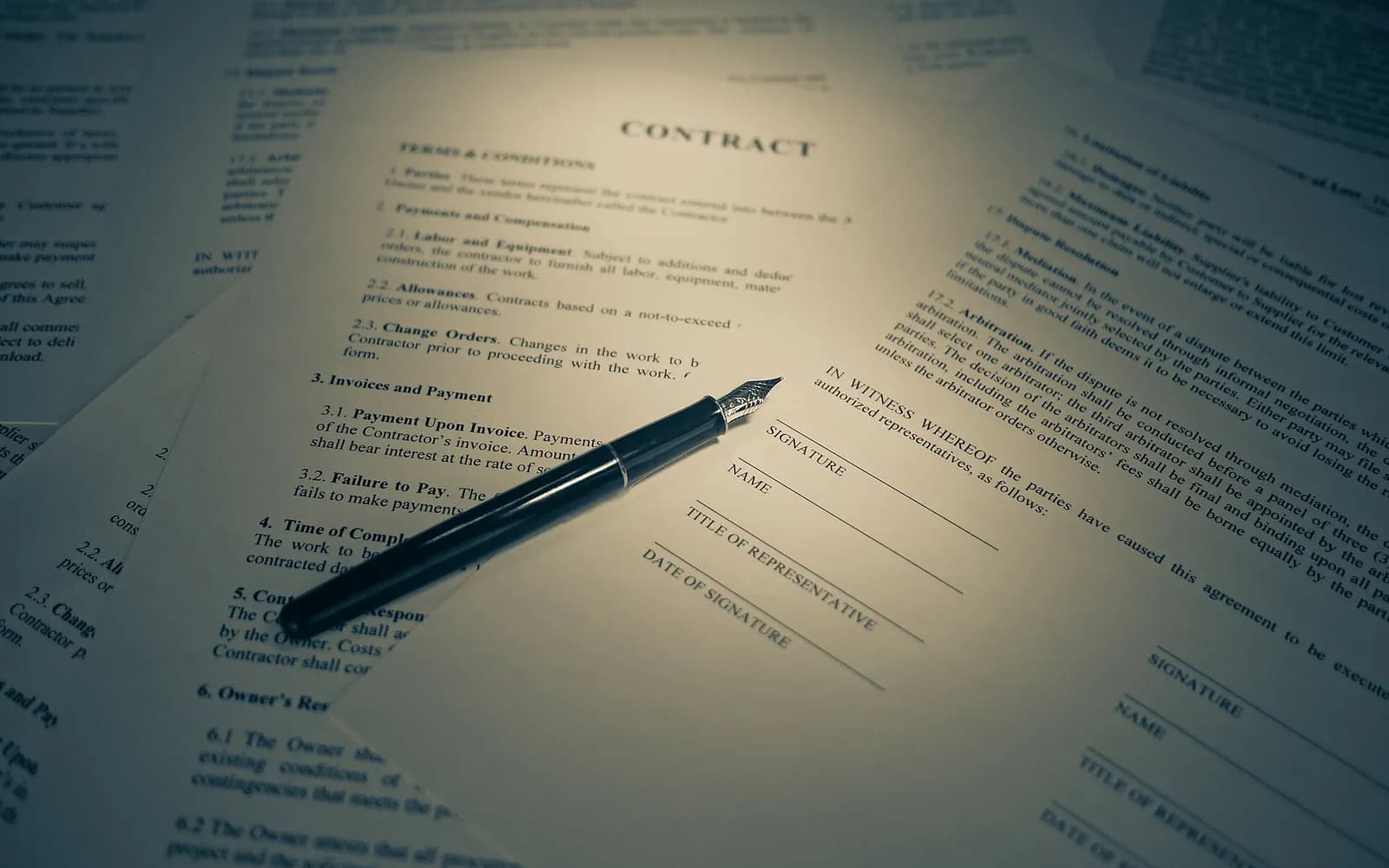
Documents for the seller
Title deed
This is the most important document in any deal: it proves the property is registered in the seller’s name and shows the plot number, location, area and permitted use. Make sure its details are up to date, and know in advance whether the property carries a mortgage in favour of a lender or any other restriction, since that must be dealt with before or as part of the transfer.
Personal ID and power of attorney
The owner is usually asked to prove their identity with a national ID card for citizens and residents, or a passport for others. If someone else is selling on the owner’s behalf, such as a family member or an authorised agent, a valid official power of attorney is needed that explicitly covers selling, signing and receiving the price. If the property is owned by several heirs or partners, the consent of all of them, or powers of attorney from them, is required.
Krooki and plans
The krooki is the survey sketch that shows the plot’s location, boundaries and dimensions. It helps the buyer confirm that what they see on the ground matches the papers. For built property, it is useful to have the approved building plans, especially if extensions or alterations have been made.
Building completion certificate and utility clearances
- Building completion certificate: requested for built property where applicable, showing the building was completed in line with its permit.
- Electricity and water bills: settle them and obtain proof that nothing is outstanding before handover.
- Other dues: such as service charges in residential complexes or any obligations tied to the property.
- Existing tenancy: if the property is leased, tell the buyer the term and conditions of the lease.
Documents for the buyer
- Proof of identity: national ID card or passport, as applicable.
- Power of attorney: if someone is buying on your behalf, it must be valid and cover purchasing.
- Proof of ability to pay: whether through bank finance or a direct transfer.
- Eligibility check: non-Omanis face specific rules on where they may own, so confirm them before committing.
If you are buying with finance
Ask your bank or lender for an approval in principle before you start searching seriously; it sets your real budget and shows the seller you are a serious buyer. Remember that the lender will usually ask for its own documents, such as proof of income and bank statements, and may require a valuation of the property before final approval. Ask for the bank’s list early so it does not catch you by surprise.
The property valuation report
An independent valuation is more than a number; it is a documented description of the property, its condition and its market value compared with similar properties. Sellers use it to set a realistic price that attracts buyers, buyers use it to negotiate with confidence, and lenders rely on it to assess the security. That is why it is best obtained before agreeing on a price, not after.

How is a sale registered?
The Ministry of Housing and Urban Planning regulates the registration of property transactions and transfers of ownership, and in recent years has moved many of its services online. The general path can be summarised in the steps below; check with the Ministry for the current details, requirements and fees:
- 1Seller and buyer agree on the price and terms, preferably in writing.
- 2Verify the title deed and that the property is free of restrictions, or agree how they will be cleared.
- 3Prepare the documents required from both parties, including IDs and any powers of attorney.
- 4Complete the finance process if the purchase is bank-financed.
- 5Submit the transfer application through the Ministry’s approved channels, online or in person as applicable.
- 6Pay the prescribed fees as set by the competent authority.
- 7Receive the new title deed in the buyer’s name, then hand over the property and transfer the utility accounts.
Common mistakes that delay a deal
- Relying on an old copy of the title deed without checking its latest details.
- A power of attorney that has expired or does not explicitly cover selling or buying.
- Overlooking a mortgage on the property until registration day.
- Unlicensed building additions that do not appear on the approved plans.
- Paying a deposit before getting finance approval in principle.
- Relying on hearsay instead of checking current requirements with the Ministry.
A useful habit is to gather all these documents in a single file, on paper and digitally, before you list the property or start searching. Include clear copies of the title deed, the krooki, IDs and powers of attorney, the latest utility bills, the valuation report and any correspondence with your lender. When the other party or the competent authority asks for a document, you will find it in minutes rather than days. The file also helps you spot what is missing early, so you can deal with it calmly before it becomes an obstacle halfway through the deal.
A successful property deal is settled on paper before it is settled on the ground: the earlier the documents are complete, the fewer the surprises.
How Maarij Real Estate can help
At Maarij Real Estate we help sellers present their property at a realistic price backed by an independent valuation, guide buyers to the documents they should review before committing, and support both sides in organising the steps of the deal. Legal requirements and official fees are a matter for the competent authorities, and we make sure to point you to them to confirm.
Talk to the Maarij team before you sell or buyThis content is general guidance, not legal or financial advice; always confirm current requirements and fees with the competent authorities.
Frequently asked questions
What is the most important document when selling or buying property in Oman?
The title deed, because it proves the seller’s ownership and shows the property’s details. Make sure the name on it matches the seller’s ID or power of attorney, and that there is no unresolved mortgage or restriction.
Can someone sell a property on the owner’s behalf?
Yes, provided there is a valid official power of attorney that explicitly covers selling. Check its validity and wording before any agreement.
Do I need a property valuation before buying?
It is not mandatory in every case, but it is very useful for negotiating a fair price, and lenders often require one before final loan approval.
Where can I confirm the requirements and fees for registering a sale?
With the Ministry of Housing and Urban Planning through its official channels, since requirements and fees may be updated from time to time.
Need help with a property decision?
Talk to the Maarij team now — we reply on WhatsApp within minutes during working hours.